 Escocia Tree Service LLC
Avoiding Common Errors for a Successful Project
Installing a fence is a big project, and making sure it goes smoothly is important. By understanding common mistakes, you can save time, money, and effort in the long run. From planning to execution, each step holds potential pitfalls that could lead to problems if not handled properly. This guide will help you recognize and avoid these pitfalls for a successful installation. Whether you’re doing it yourself or hiring professionals, knowing what to watch out for can make all the difference.
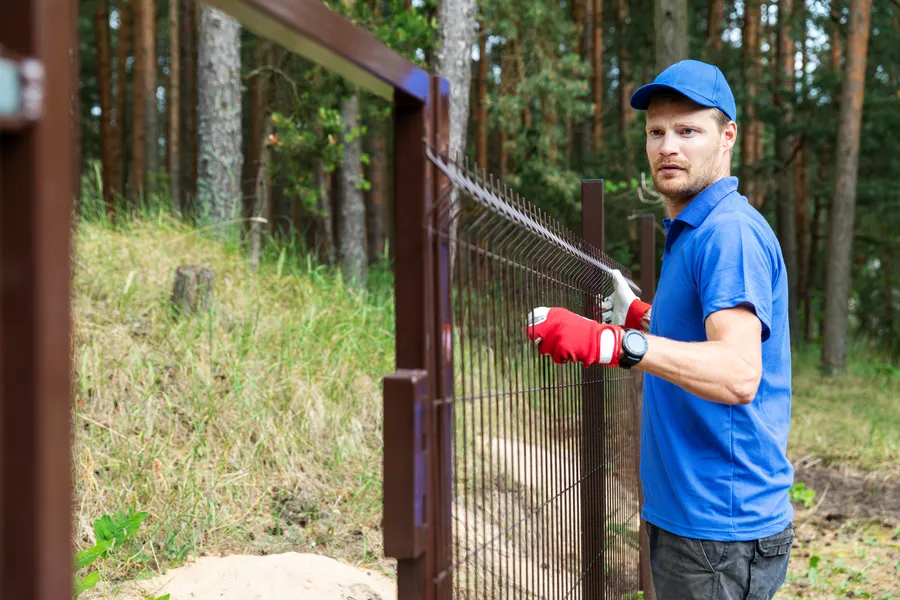
Poor Planning and Preparation
Jumping into a project without proper planning can lead to unnecessary challenges. Before starting with fence installation, it’s crucial to have a clear plan. Determine your property boundaries and check local zoning laws to avoid any legal issues. Also, consider the purpose of your fence-whether it’s for privacy, security, or aesthetics-as this will influence the materials and design you choose. Taking the time to prepare thoroughly can prevent headaches down the road.
Choosing Inappropriate Materials
Fence installation requires choosing the right materials for your specific needs. Different environments and purposes call for different materials. For instance, wooden fences provide classic appeal but may not be ideal in wet climates due to rot. On the other hand, metal fences offer durability but might not provide the desired privacy. Evaluate factors such as climate, maintenance requirements, and budget when selecting materials to ensure they suit your circumstances.
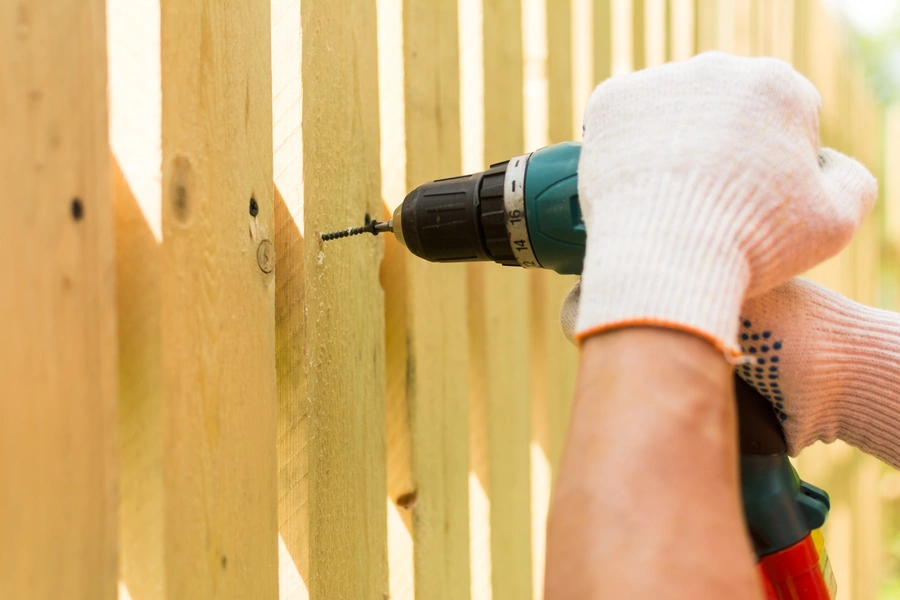
Ineffective Post Setting
The stability of your fence relies heavily on how well the posts are set. A common mistake during installation is failing to dig deep enough holes for the posts. The depth of post holes should typically be about one-third the height of the fence. Additionally, using concrete to secure the posts helps prevent movement caused by wind or soil erosion. Properly setting posts is essential for a sturdy and lasting fence.
Ignoring Terrain Challenges
Not accounting for changes in terrain is a frequent oversight in fencing projects. Whether dealing with slopes or uneven ground, adjustments must be made during installation. Terracing or using stepped panels can accommodate hilly areas, ensuring that your fence remains level and aesthetically pleasing. Failing to address these challenges can result in a crooked or unstable fence that doesn’t meet functional or visual expectations.
Neglecting Maintenance Considerations
While installing a fence, many people fail to consider future maintenance needs. Every material has its own upkeep requirements. Wooden fences need regular sealing or staining to protect against weather damage. Metal fences may require periodic painting to prevent rust. Planning for maintenance from the start saves time and resources later, extending the life of your fence significantly.
Lack of Professional Guidance
Attempting a DIY approach without professional input can lead to costly errors. Consult with fencing experts if you’re unsure about any aspect of the project. They can provide valuable insights on design choices, material suitability, and efficient installation techniques. Even if you prefer to handle most of the work yourself, getting advice from professionals ensures that you’re following best practices throughout the process.
- Check local regulations before beginning
- Select appropriate materials based on environment
- Ensure post holes are adequately deep
- Adjust plans for uneven terrain
- Plan for ongoing maintenance needs
- Seek expert advice when necessary
Your Partner in Quality Fence Projects
Escocia Tree Service LLC is dedicated to assisting you with all aspects of your fencing needs. We understand the importance of avoiding common mistakes and aim to provide guidance every step of the way. Located in Greenville, SC, we offer our expertise whether you’re considering a new installation or need support with an existing one. Don’t hesitate to reach out at (864) 400-9380 for reliable assistance and quality service.